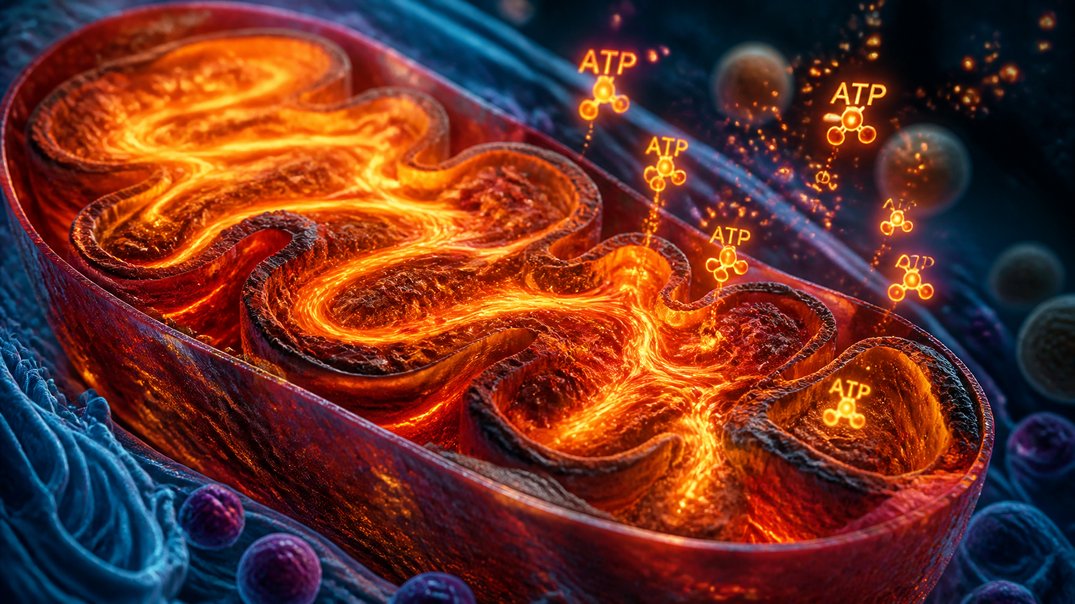
From bacteria. According to the endosymbiotic theory, mitochondria descend from a free-living bacterium, most likely an alphaproteobacterium, that formed a lasting partnership with a host cell. Strong evidence backs the idea, including mitochondria’s own circular genomes and several bacteria-like features.
The Endosymbiotic Theory in Plain Language
Endosymbiosis, from Greek roots meaning living together within, describes one organism living inside another to the benefit of both. The theory proposes that a bacterium moved into a host cell and, over a very long time, became the mitochondrion you carry in nearly every cell. A chapter from Arizona State University’s Biodesign Institute explains that the mitochondrion most likely descends from a single alphaproteobacterium, although the exact lineage is still unresolved.
The host’s identity is also debated, but there’s an emerging consensus that the cells we call eukaryotes, which include all plants, animals, and fungi, derive from archaea. Scientists are still refining the details, and that’s part of what makes this field lively.
Clues That Mitochondria Were Once Bacteria
Several features of mitochondria look surprisingly bacterial:
- They carry their own genomes, which are generally circular, and sequence comparisons of these genomes were the decisive evidence for a bacterial origin
- Their internal membranes, called cristae, resemble those of alphaproteobacteria
- They divide using an FtsZ protein of bacterial type
- Details of their ribosomes carry bacterial signatures
Taken together, these clues make a compelling case that mitochondria are the descendants of a once independent organism. Plant chloroplasts followed a similar path later, long after the mitochondrion arrived.

How the Partnership Became Permanent
Over time, nearly all of the ancestral bacterium’s genes were either deleted or moved to the host’s nucleus. The founding mitochondrion may have had about 1,200 genes, although that figure is a hypothesis based on related bacteria. Today, mitochondrial genomes encode fewer than 100 protein-coding genes, and most of the roughly 1,000 proteins in a typical mitochondrion are encoded in the nucleus.
The gene transfer has been essentially one-way, which helped lock in the partnership. By the time of the last common ancestor of living eukaryotes, nearly all of the ancestral genes had already been lost or transferred. Once the host depended on those moved genes, breaking up became very hard.
Why an Ancient Partnership Still Matters for Your Energy
This history explains why your cells depend on mitochondria so completely and why they keep their own DNA. It also explains why mitochondrial function relies on cooperation between mitochondrial and nuclear genes. For more on how these organelles work today, see our guides to what the mitochondria are and how many mitochondria you have.
Supporting the Descendants of Ancient Bacteria
Sleep, exercise, and good nutrition keep your mitochondria working. Some people also support them with targeted nutrients. Performance Lab Energy is a caffeine-free formula with magnesium malate, acetyl L-carnitine, R-lipoic acid, CoQ10, PQQ, and BioPerine, ingredients involved in how mitochondria produce cellular energy.
Frequently Asked Questions
What Is the Endosymbiotic Theory?
It is the idea that mitochondria descend from a free-living bacterium, most likely an alphaproteobacterium, that formed a permanent partnership with a host cell.
Do Mitochondria Still Have Their Own DNA?
Yes. They carry their own genomes, which are generally circular, though they encode fewer than 100 protein-coding genes today.
Have Mitochondria Always Been Part of Our Cells?
Nearly all ancestral mitochondrial genes were lost or moved to the nucleus before the last common ancestor of living eukaryotes, so mitochondria are extremely ancient companions.