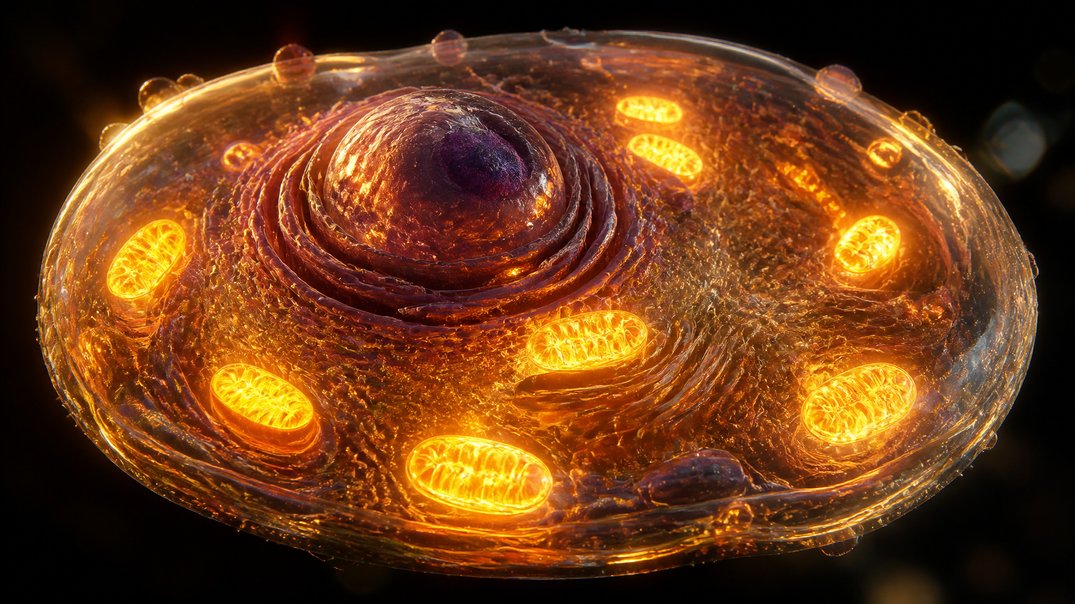
Almost always, yes. Mitochondria, and the mitochondrial DNA inside them, are generally inherited only from the mother. A 2018 study reported rare cases of paternal transmission in three families, but its authors conclude that maternal inheritance remains the general rule.
Why Mitochondrial DNA Follows the Maternal Line
Mitochondria carry their own small chromosomes, separate from the DNA in the cell’s nucleus. The National Human Genome Research Institute states that mitochondria, and therefore mitochondrial DNA, are generally inherited only from the mother. In practice, that means your mitochondrial DNA came from your mother, who got hers from her mother, and so on back along the maternal line. That is why genealogists often use mitochondrial DNA to trace maternal ancestry.
What the 2018 Study Found
The picture got more interesting in 2018. Researchers reported in the Proceedings of the National Academy of Sciences that they had found paternal mitochondrial DNA transmission in three unrelated multigeneration families, covering 17 individuals. The paternal DNA appeared alongside the usual maternal DNA, at levels ranging from 24 percent to 76 percent.
The authors were careful. They concluded that maternal inheritance is still the general rule but that paternal mitochondrial DNA can occasionally be passed on. The sample was small, the language was hedged, and the molecular mechanism has not been explained. The results were checked independently by the research lab and two accredited clinical labs, which strengthens the finding, though a handful of families can’t overturn a rule observed across many.
You Still Inherit From Both Parents
Here is the part many people miss. Mitochondrial DNA encodes fewer than 100 protein-coding genes, but a typical mitochondrion contains roughly 1,000 proteins, and most are encoded in the cell’s nucleus. Nuclear DNA comes from both parents. So even though the mitochondria themselves arrive via your mother, the instructions for most of their parts come from both sides of your family.

What This Means for Mitochondrial Health and Fatigue
Inheritance sets the starting point, not your destiny. NHGRI notes that defects in mitochondrial pathways can cause symptoms in the muscles, brain, and kidneys, among other problems, and that many diseases caused by mitochondrial dysfunction are probably still unknown. If you have a family history of a diagnosed mitochondrial condition, talk with your doctor or a genetic counselor. Keep the bigger picture in mind, though: most fatigue has everyday causes such as sleep, stress, and nutrition.
For most people, daily habits matter a great deal. Exercise, sleep, and nutrition all influence how well your mitochondria work. Our guides to mitochondrial biogenesis and why mitochondria decline with age explain what you can influence.
Supporting Your Inherited Mitochondria
You can’t change the mitochondria you were given, but you can support how they work. Performance Lab Energy is a caffeine-free formula with magnesium malate, acetyl L-carnitine, R-lipoic acid, CoQ10, PQQ, and BioPerine, ingredients involved in how mitochondria produce cellular energy.
Frequently Asked Questions
Do Fathers Pass Any Mitochondria to Their Children?
Generally no. A 2018 study reported rare paternal transmission in three families, but maternal inheritance remains the general rule.
Do Mitochondria Come From Both Parents’ DNA?
Mitochondria themselves come from the mother, but most mitochondrial proteins are encoded by nuclear genes inherited from both parents.
Does My Mother’s Energy Level Determine Mine?
No. You inherit your mitochondria from her, but lifestyle, nuclear genes, and health conditions all influence your energy.